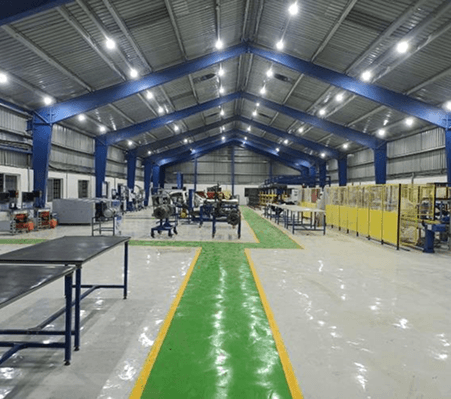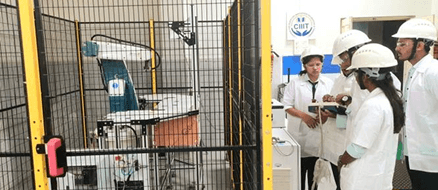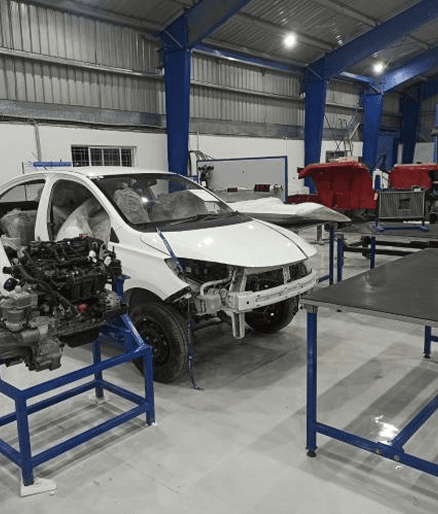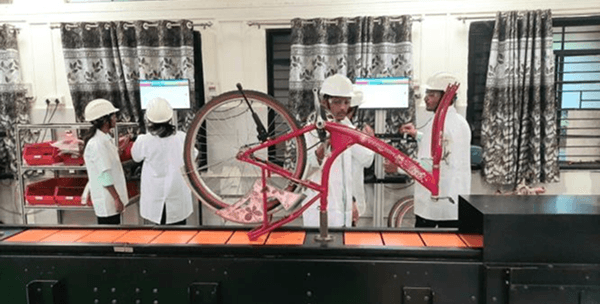
Behind every successful product—whether it's a smartphone, an electric vehicle, or a simple household appliance—there is a well-managed journey from idea to execution. This journey is known as Product Lifecycle Management (PLM), and in today's competitive, technology-driven world, it has become a critical skill for students to learn early in their careers.
What is PLM?
PLM is not just a software tool or a corporate process. It is a structured approach to managing a product throughout its entire lifecycle—from concept and design to manufacturing, usage, and eventual retirement. For students, understanding this complete picture helps bridge the gap between academic learning and real-world industry practices.
Why PLM Matters in Modern Industries
Industries today are moving fast. Products are expected to be innovative, cost-effective, high-quality, and delivered quickly. PLM helps organizations manage complex data, coordinate between teams, and make informed decisions at every stage of product development.
When students are introduced to PLM concepts early, they begin to understand how engineering, design, manufacturing, and business functions are interconnected. Instead of viewing subjects in isolation, they start seeing how different disciplines work together to bring a product to life.
This system-level thinking is exactly what modern employers look for.
Learning Beyond Design and Manufacturing
Many students believe product development ends once a design is completed or a prototype is built. PLM challenges this mindset. It teaches students that a product continues to evolve even after production begins—through updates, quality improvements, cost optimization, and customer feedback.
By learning PLM, students gain exposure to version control, documentation, collaboration workflows, and data management. These skills are essential in industries where multiple teams work on the same product across different locations and timelines.
Building Career-Ready Professionals
At institutions like CIIIT, PLM training helps students align their technical knowledge with industry expectations. Whether a student plans to work in manufacturing, product design, automotive, aerospace, or consumer electronics, PLM knowledge adds strong value to their profile.
Students familiar with PLM concepts adapt faster in professional environments. They understand how decisions made during the design stage affect cost, quality, and sustainability later. This awareness makes them more responsible engineers and more effective team members.
Developing an Industry Mindset Early
Learning PLM early also builds a professional mindset. Students learn to think in terms of processes, timelines, collaboration, and accountability. They understand that innovation is not just about creativity—it's about execution, coordination, and continuous improvement.
This mindset benefits students even if they choose careers in research, management, or entrepreneurship. PLM thinking helps them plan better, reduce errors, and scale ideas efficiently.
Preparing for the Future
As industries continue to adopt digital transformation, PLM is becoming a core part of smart manufacturing and Industry 4.0 ecosystems. Students who learn PLM early are better prepared to handle complex products and fast-changing technologies.
In the long run, PLM is not just a subject to study—it's a way of thinking. And for students who want to stay relevant, adaptable, and industry-ready, learning Product Lifecycle Management early is not an option anymore—it's a necessity.